Resources
History and context
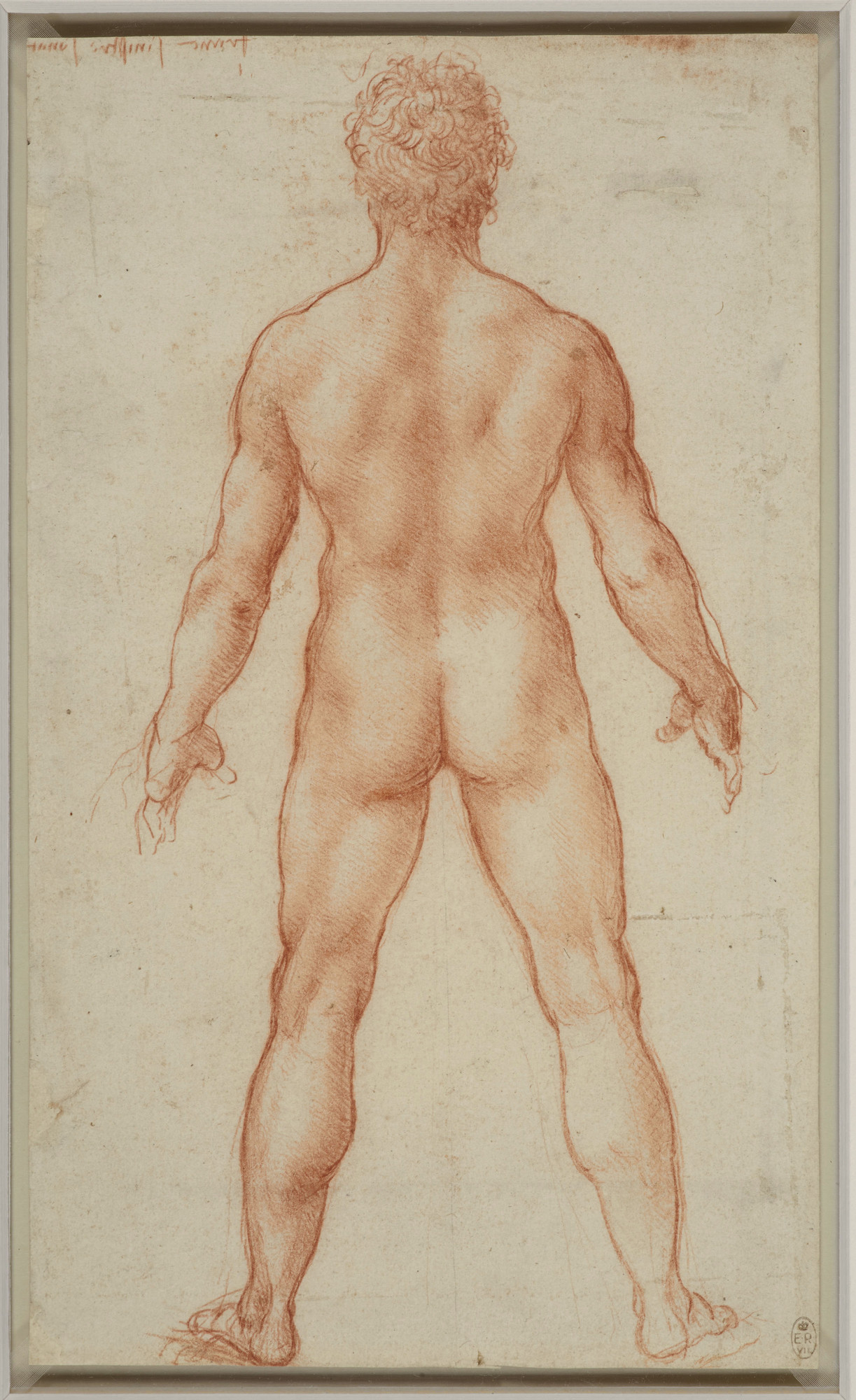
Figure drawing has a rich history that dates back to ancient times, with roots in the art of the Greeks and Romans. It became formalized in the Renaissance, where queer artists like Leonardo da Vinci and Michelangelo used figure drawing to study the human body and perfect their craft. In art schools, figure drawing remains a foundational practice, helping artists understand anatomy, proportion, and the subtleties of the human form.
The primary purpose of figure drawing is to capture the essence and movement of the human body. At Figure It Out it’s also a low-stakes and friendly environment to practice drawing. These are for rough drawings, not final pieces of artwork. It’s a practice that helps artists explore the beauty of human anatomy, gestures, and emotions.
Beyond technical skill, figure drawing sessions are a celebration of the human body in all its diversity and uniqueness. Being a model for these sessions can be a wonderful act of self-empowerment. It is an incredible space to both see and be seen.
There is plenty of queer history tied up with figure drawing too! Notable queer artists like David Hockney and Paul Cadmus used figure drawing and live models to explore themes of identity, sexuality, and intimacy.
Learn to draw the figure
Videos we've found helpful for learning how to draw.
Modeling guide
Modeling for the first time with Figure It Out, or first time ever? Check out our guide for everything you need to know.